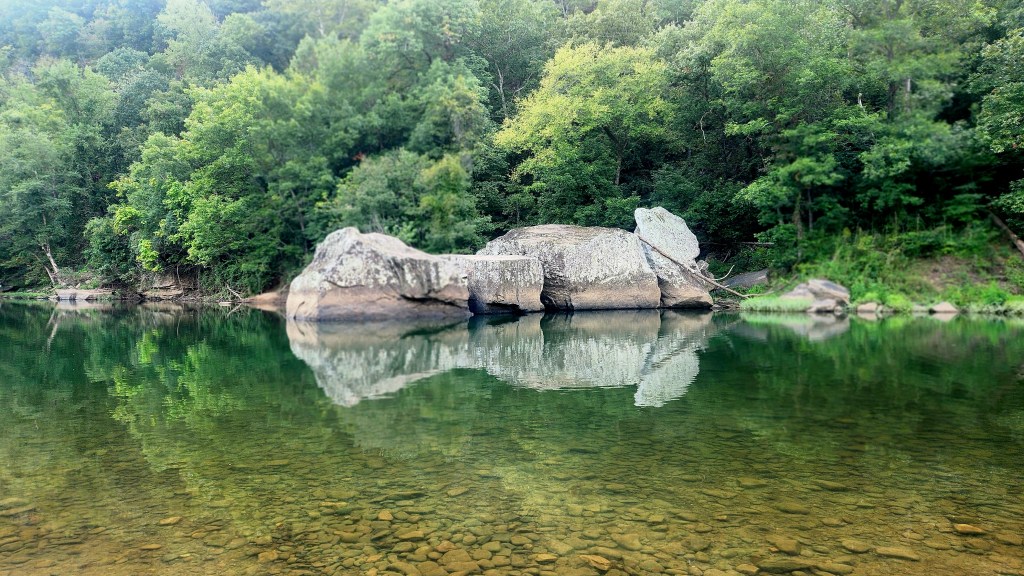
• Big Piney Creek: Longpool Recreation Area

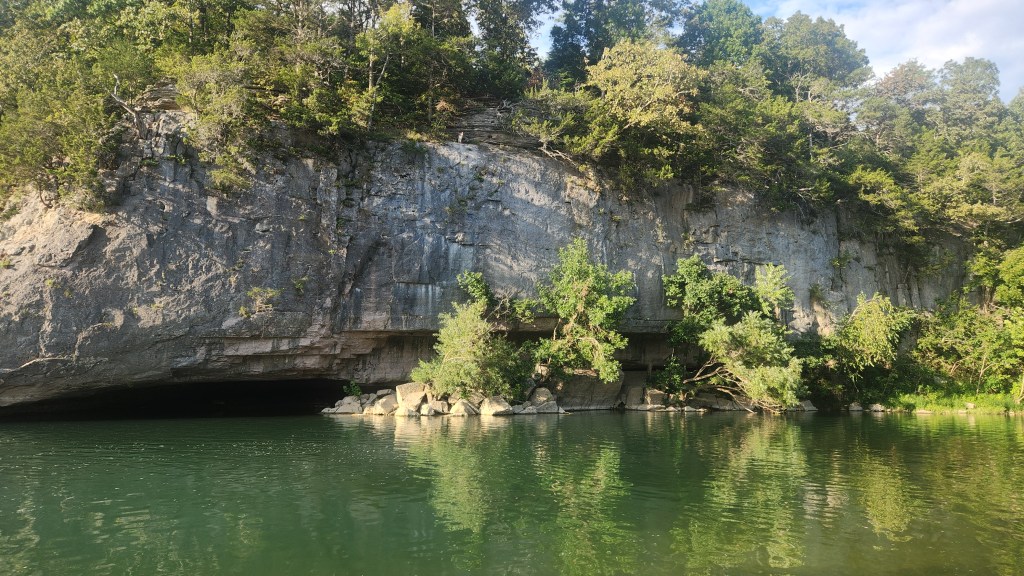
    There are places in Arkansas that feel like time forgot them. Longpool Recreation Area, tucked deep in the Ozark National Forest, is one of those. The kind of place where the creek hums low and steady, and the trees seem to breathe right along with you.

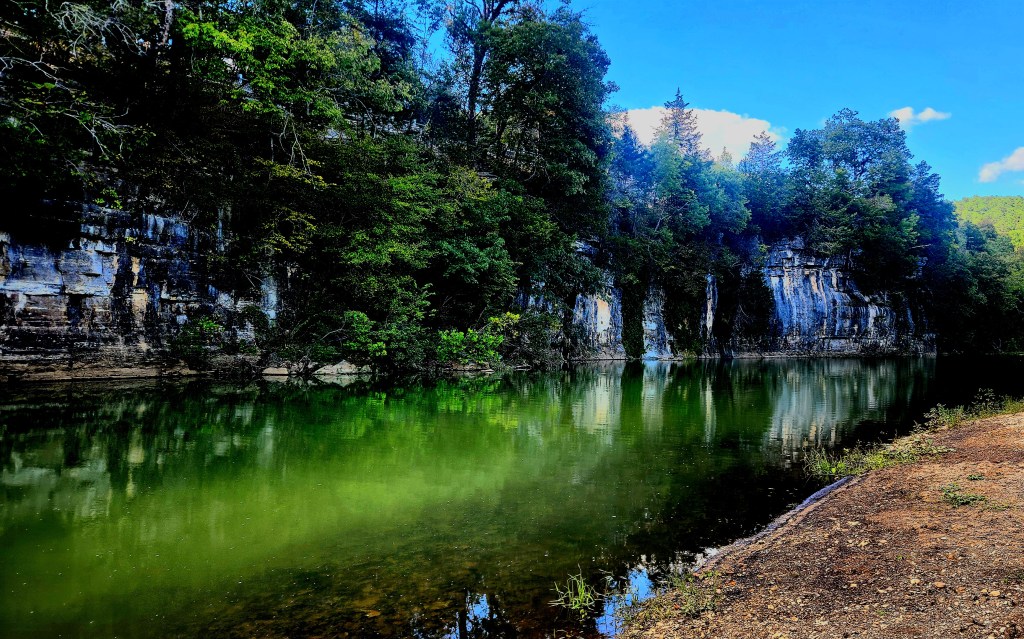
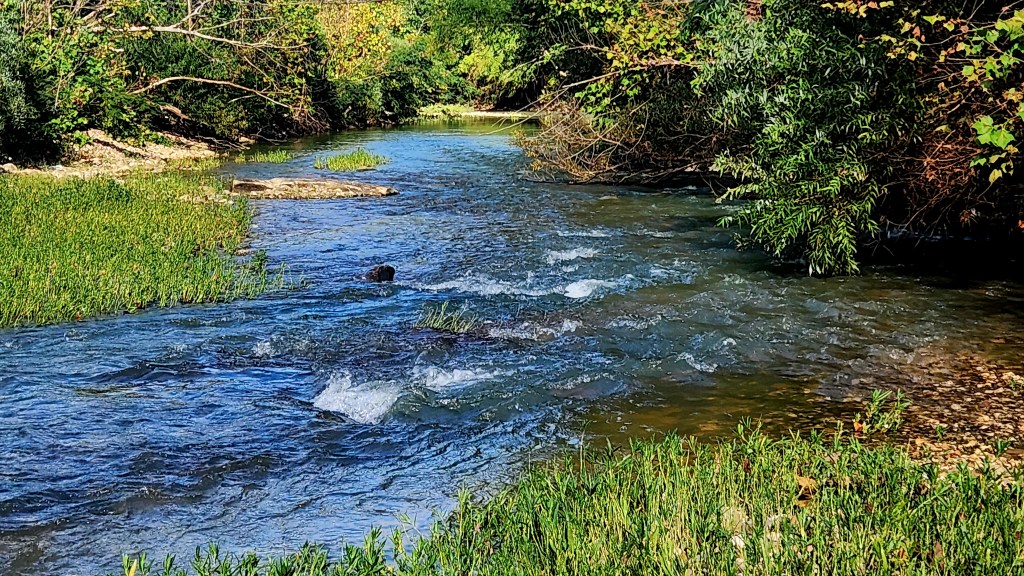
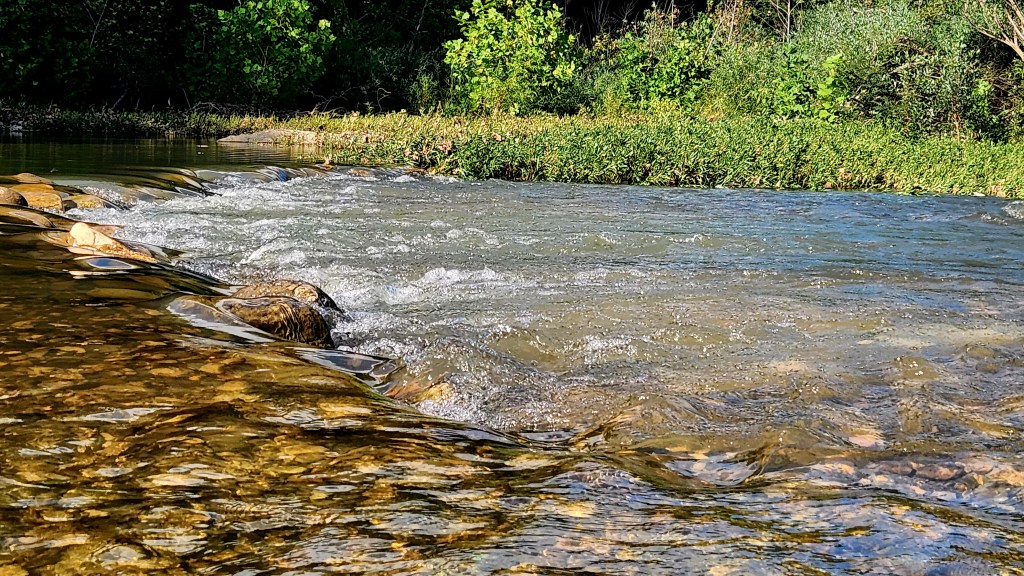
    The drive in feels like a slow exhale- winding roads under a cathedral of pines, sunlight winking through the leaves. When you finally roll up to the water, it’s clear and calm, sliding over smooth stones like glass. It’s easy to see why people come here to camp, float, and forget the world for a little while.
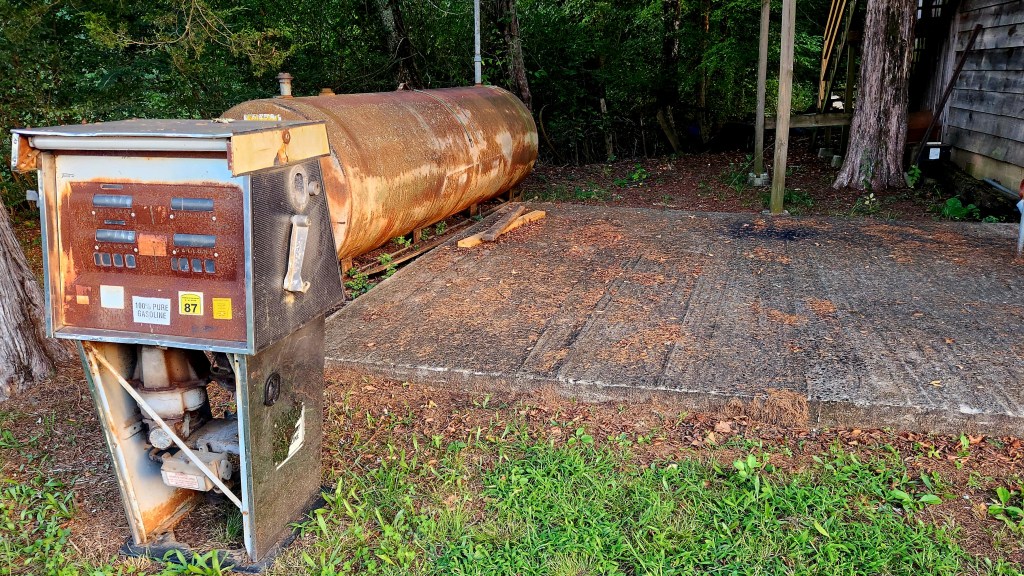
    Daylight Beauty

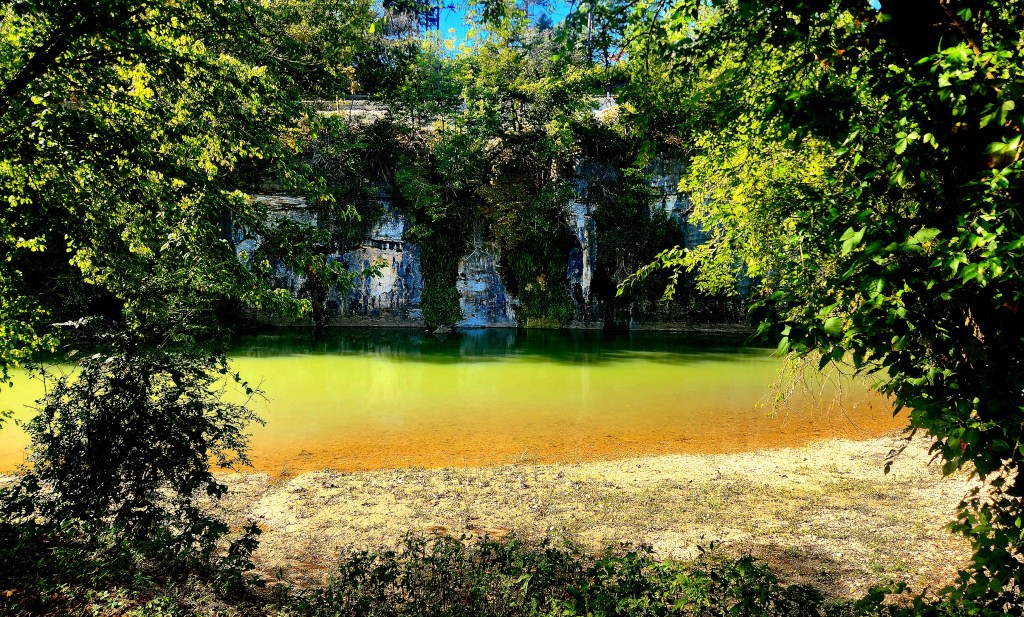
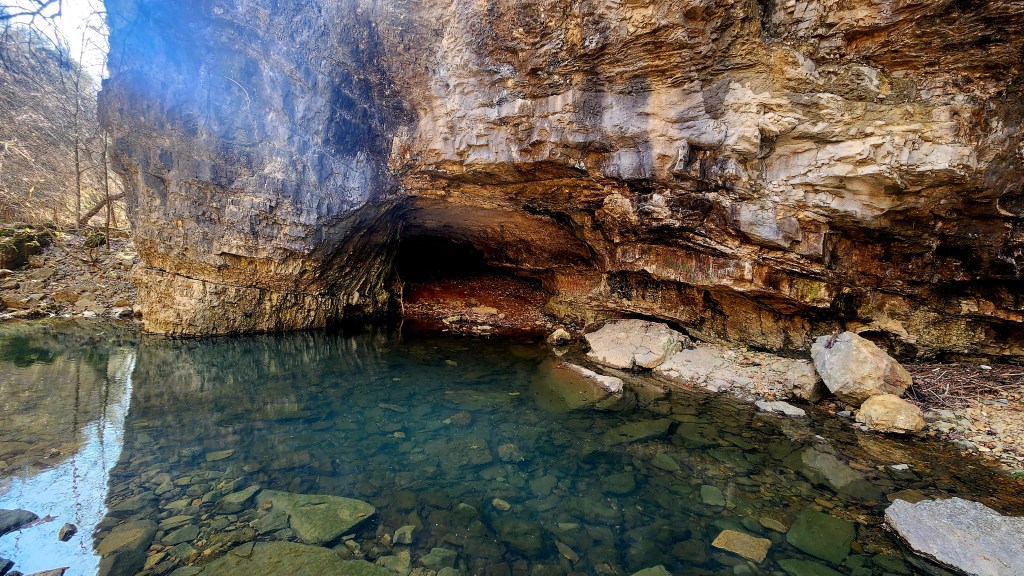
    During the day, Longpool is the kind of beautiful that doesn’t ask for attention. The swimming hole near the bluff is pure summer with it’s clear water, laughter echoing off stone walls, and sunlight flickering like gold dust. I could have stayed there all afternoon, toes in the current, not a care in the world.

    There’s a certain peace that settles over you here- the kind that only wild places can give.

    But peace isn’t always the same thing as comfort.
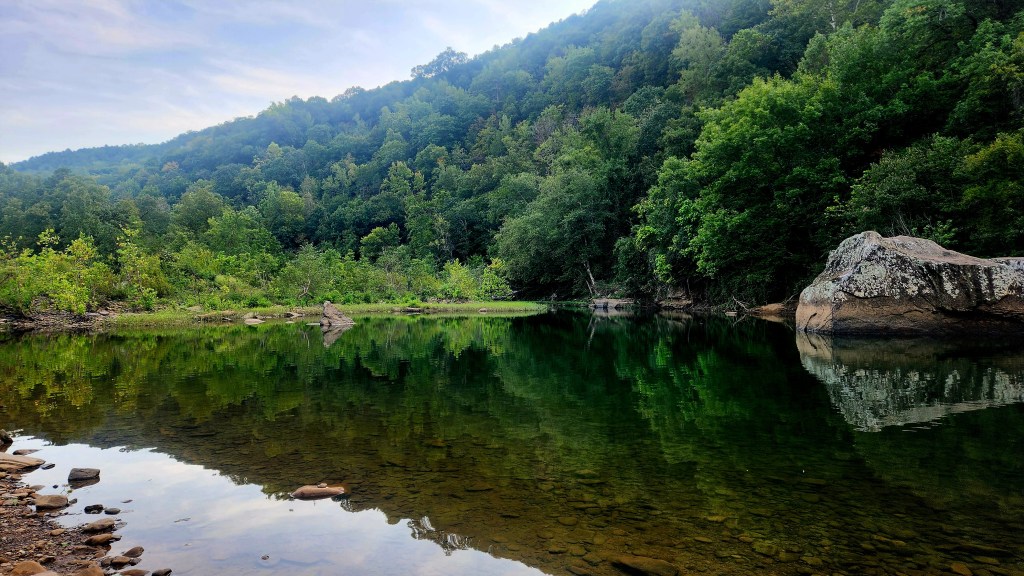
    When the Sun Goes Down

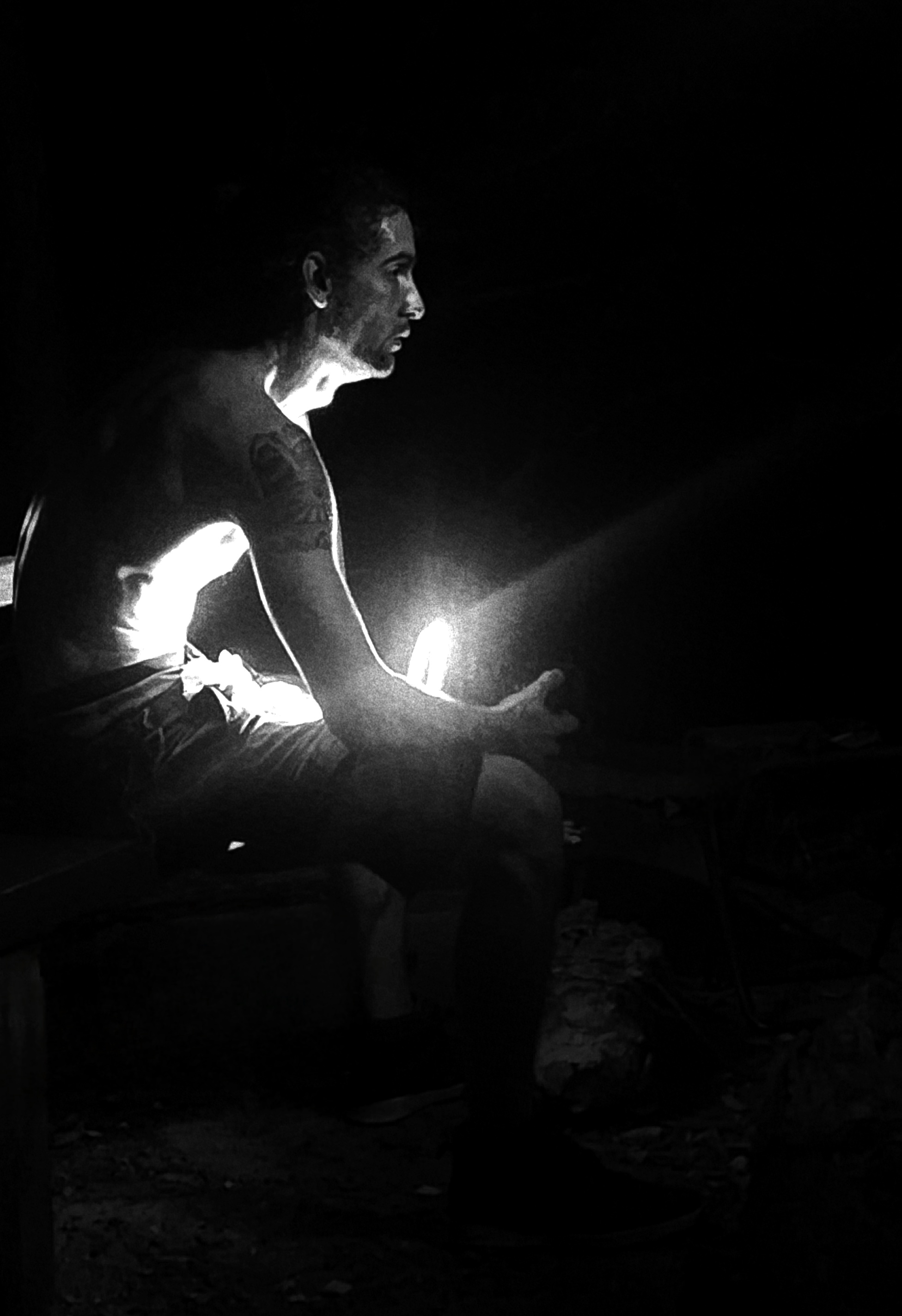
    When night comes to Longpool, it changes. The quiet deepens into something else. Not exactly threatening, but…aware. The air gets still, almost thick. You can hear the creek whispering in the dark, but it starts to sound less like water and more like words you can’t quite catch.

    It’s beautiful, but also eerie. Like the past is still moving through the trees. There’s a weight to the silence, as if the woods themselves are keeping secrets.

    I laid in my tent listening to the sounds around me. Crickets, frogs, the faint rustle of wind and the steady mumbling of the creek. I listened more for sounds that shouldn’t be there. It wasn’t fear I felt, exactly. More like reverence. Like being somewhere that remembers more than it tells.
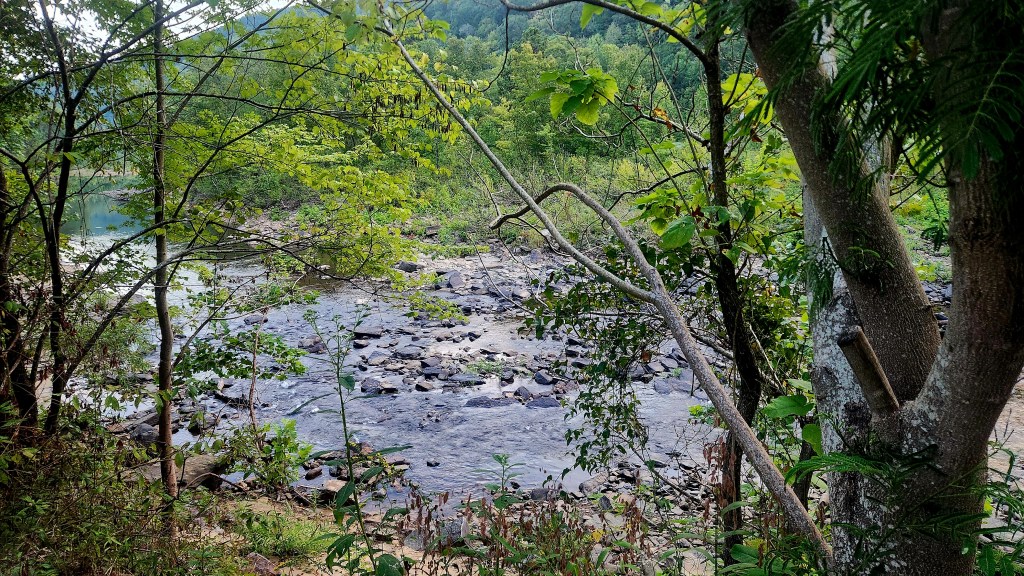
    The Echo of a Place

    Longpool is stunning, no question. It’s worth the drive, worth the dip in the water, worth seeing sunlight dance across Big Piney Creek.

    But for me, it’s the kind of beauty that belongs to daylight. The kind you visit, not stay with.

    At night, it feels like the forest pulls closer. Quiet, watchful, and ancient. And while I loved being there, I don’t think I’ll camp overnight again. Some places you admire best from the edge of the firelight.

    Because in Longpool, even the trees have stories they don’t tell.

    -Kelsey

  • There’s a bend in the Buffalo River that will always remind me of love. Not the easy, fair-weather kind, but the kind that’s quiet, grounding, and true. I didn’t grow up knowing this part of the Buffalo, but I fell in love with it the same way I fell in love with Jarred Grinder: fast, deeply, all at once.

    The first time he brought me here, he told me he felt like he was part of the land, that it was a very special place to him. It’s a special place for me now too.

    Meet Jarred

    Jarred isn’t just my boyfriend. He’s my life partner, my home, my peace, and my greatest adventure. His family name, Grinder, is woven into this place, and the land seems to know it. There’s something about the way he moves here, the way he pauses to take in the river, the way his shoulders relax the second the water comes into view, that feels like the world aligning.

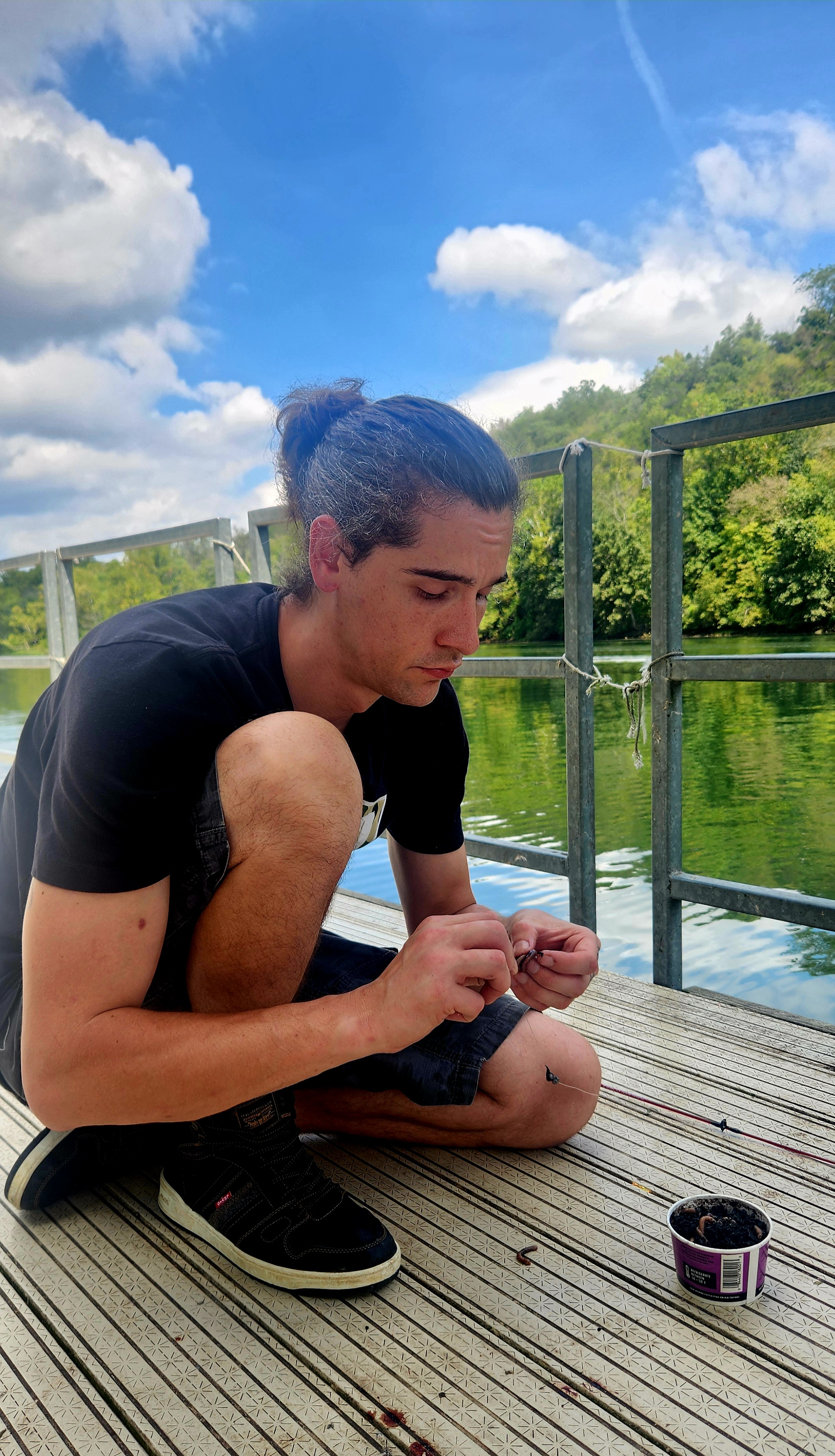
    Being here with him feels like belonging. He’s the kind of man who listens as much as he speaks, who finds calm in simple things like the hum of cicadas, a cast line, or a cold drink after a long day in the sun. Out here under the open sky, it’s just us and the steady rhythm of the river, and somehow that’s everything we need.

    The Grinder Name and the Land That Holds It

    The Grinder family has deep roots in these hills, and that legacy lingers in every gravel road and weathered tree line. The name itself, once an old English word for a craftsman or mill worker, fits perfectly: patient hands, enduring work, quiet pride.

    You can feel those generations in Jarred. He carries the same steadiness, that unspoken bond with the land. There’s a respect here, not ownership but kinship. The kind that understands the earth gives what it can, and you take only what you need.

    Our Place of Peace

    When the world starts spinning too fast, we load up the car and head north toward the Buffalo. That drive has become our ritual, windows down, playlist humming, everything slowing the closer we get to the water.

    Days spent here are simple and good. Fishing the quiet bends, swimming until the sun dips behind the ridge, camping out beneath a galaxy of stars. The fire crackles, the air cools, and we talk about everything and nothing. Sometimes there’s no talking at all, just the sound of the river and the feeling that we’re exactly where we’re supposed to be.

    This is our peace. This is our reset.

    Where the River and Love Keep Flowing

    To most folks, Grinders Ferry is just another stop along the Buffalo River. But to us, it’s sacred ground, a place that ties the past and present together, where love feels both rooted and free.

    Each visit reminds me of what it means to belong, to the land, to the moment, to someone who makes the world gentler just by being in it.

    The river keeps moving forward and so do we, steady, sure, and side by side. Because love, like the Buffalo, doesn’t stand still. It flows.

    -Kelsey

  • A Park That Holds More Than Scenery

    There is a certain kind of magic in the way family history and natural beauty blend together in Arkansas. Bradley Park is not just another stop along the Buffalo River. It is a place that carries stories in its soil, memories tucked between the trees, and echoes of the people who once called it home.

    Walking through the park, I could not help but think about how names tie us to the land. The Bradley name runs through my own family tree, and standing there felt less like visiting a landmark and more like brushing shoulders with the past. You can almost feel the generations who worked, loved, and lived in these hills.

    The Bradley House Museum

    One of the most meaningful parts of my visit was stepping into the Bradley House Museum, once the home and practice of Dr. W. A. Bradley. He served Jasper and rural Newton County for forty-six years, later practicing in Harrison before retiring.

    The downstairs of the museum still feels like his office, with old microscopes, a dentist’s chair and medical tools that remind you how medicine looked more than a century ago. Upstairs, rooms are set to show pioneer life: a schoolroom with desks, hero room, taxidermy animals, and displays that celebrate small businesses that once sustained the community.

    On the museum grounds sis the Chaney Log Cabin, brought from Osage, Arkansas. It dates back to the mid-1800s and is believed to have served as both a post office and a stage stop. Some believe it may even have connections to the Trail of Tears.

    Walking Through Jasper’s Historic Downtown

    Before visiting Bradley Park and the museum, I walked through downtown Jasper. The square is a gem, full of character with stone buildings, murals, and the hum of local life.

    The Jasper Commercial Historic District includes buildings from the 1880s through the 1940s, many crafter from the local stone by master mason Gould Jones. At the heart of the square is the Newton County Courthouse, built in 1939 with Works Progress Administration funding, a simple but elegant example of Art Deco architecture. Both the courthouse and the downtown district are listed on the National Register of Historic Places.

    Jasper itself has deep roots. It was established along the Little Buffalo River by 1840 and became the county seat in 1843. The town’s name has several legends attached. Some say it was inspired by a Jasper stone given to the postmaster, others claim Cherokee travelers suggested it, while another story points to the mellow hues of the local stone.

    The River That Writes the Story

    The Buffalo River has always been about more than scenery. It begins in the Boston Mountains, carving out bluffs and valleys for 148 miles before joining the White River. Unlike so many rivers in America, the Buffalo has never been dammed. In 1972 it became the first National River in the United States, a victory that protected its wild flow for future generations.

    That stretch of history is complicated, too. The campaign for federal protection sparked tension, as landowners resisted government buyouts and the presence of the Park Service. But the result preserved one of the last un-dammed rivers of its size, keeping its waters free for those who hike, float, fish, and call it home.

    Roots, Names, and Connection

    Bradley Park was named in honor of Dr. Bradley, and its dedication in 1991 drew more than three hundred people who shared memories of his service to the community. Stories of him delivering babies, tending to the sick, and showing up for neighbors filled the air that day, and the park became a living memory of both a man and a place.

    When I stood by the Little Buffalo at Bradley Park, wandered the museum halls, and paused in front of the courthouse downtown, I felt something I cannot quite name. It was more than sightseeing. It was the recognition of how places accumulate memory, how names hold weight, and how water carries stories.

    The Buffalo has always been about more than beauty. It is about connection. To water, to wilderness, to family. At Bradley Park, and in Jasper itself, those connections seem to run deeper than the stone foundations beneath the town square. Whether you go for a quiet hike, a visit to the museum, or a lazy stroll downtown, you become part of the story the river keeps writing.

    -Kelsey

  • Hello, Arkansas.

    This little corner of the internet is where I plan to share the places I wander, the photos I take, and the stories that catch my heart along the way. My adventures may not be the kind that involve climbing cliffs or trekking across states, but they’re adventures to me. Sometimes it’s a short drive down a back road, sometimes a quiet afternoon by the water, sometimes a hidden spot I stumble across and can’t help but stop to admire.

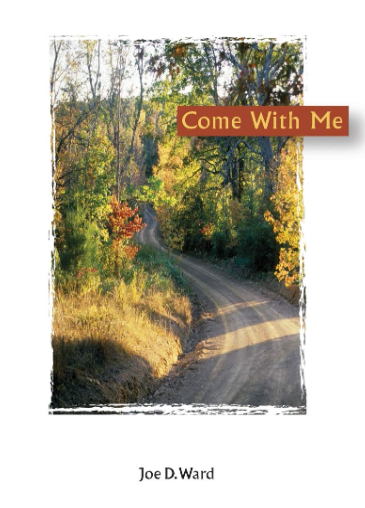
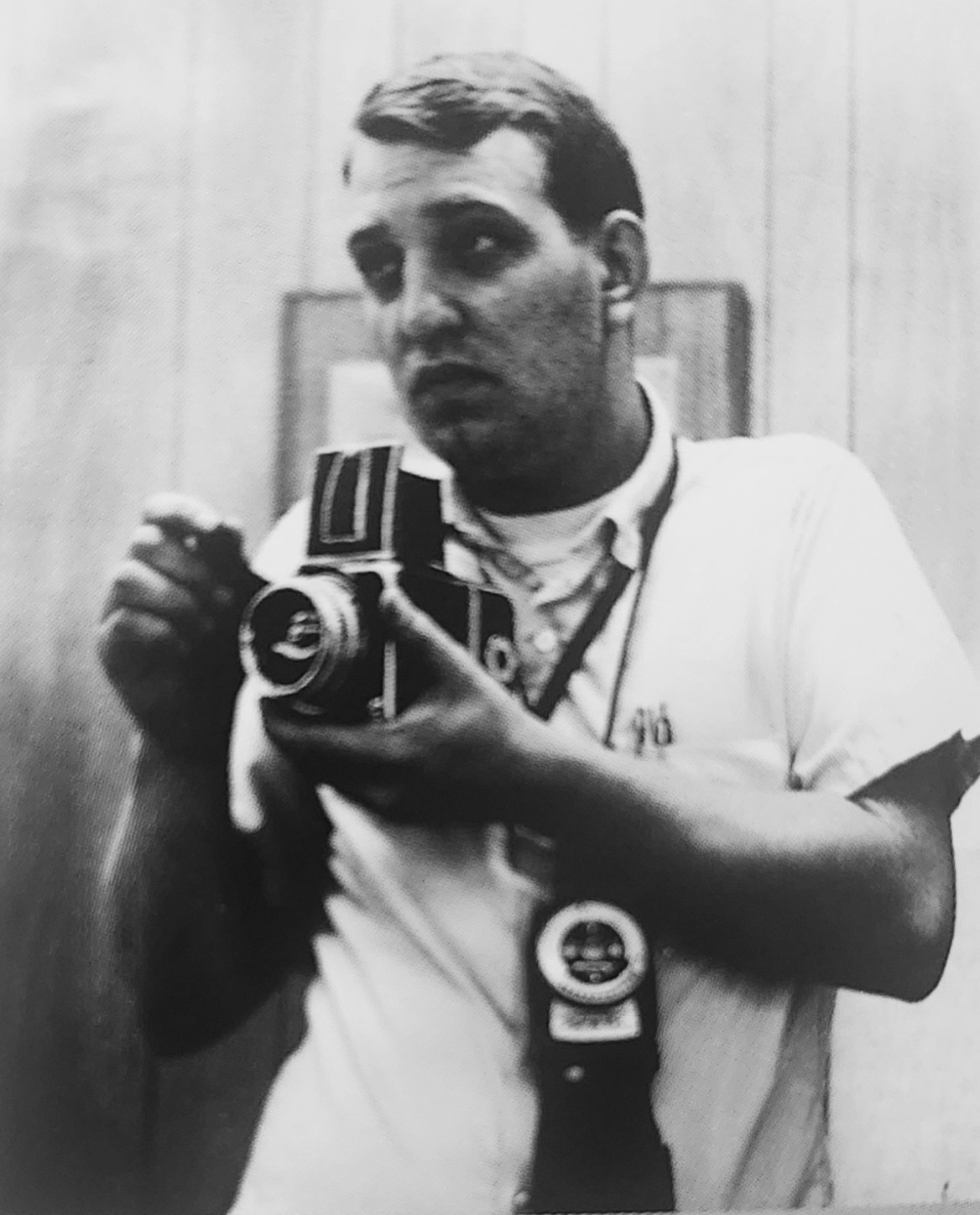
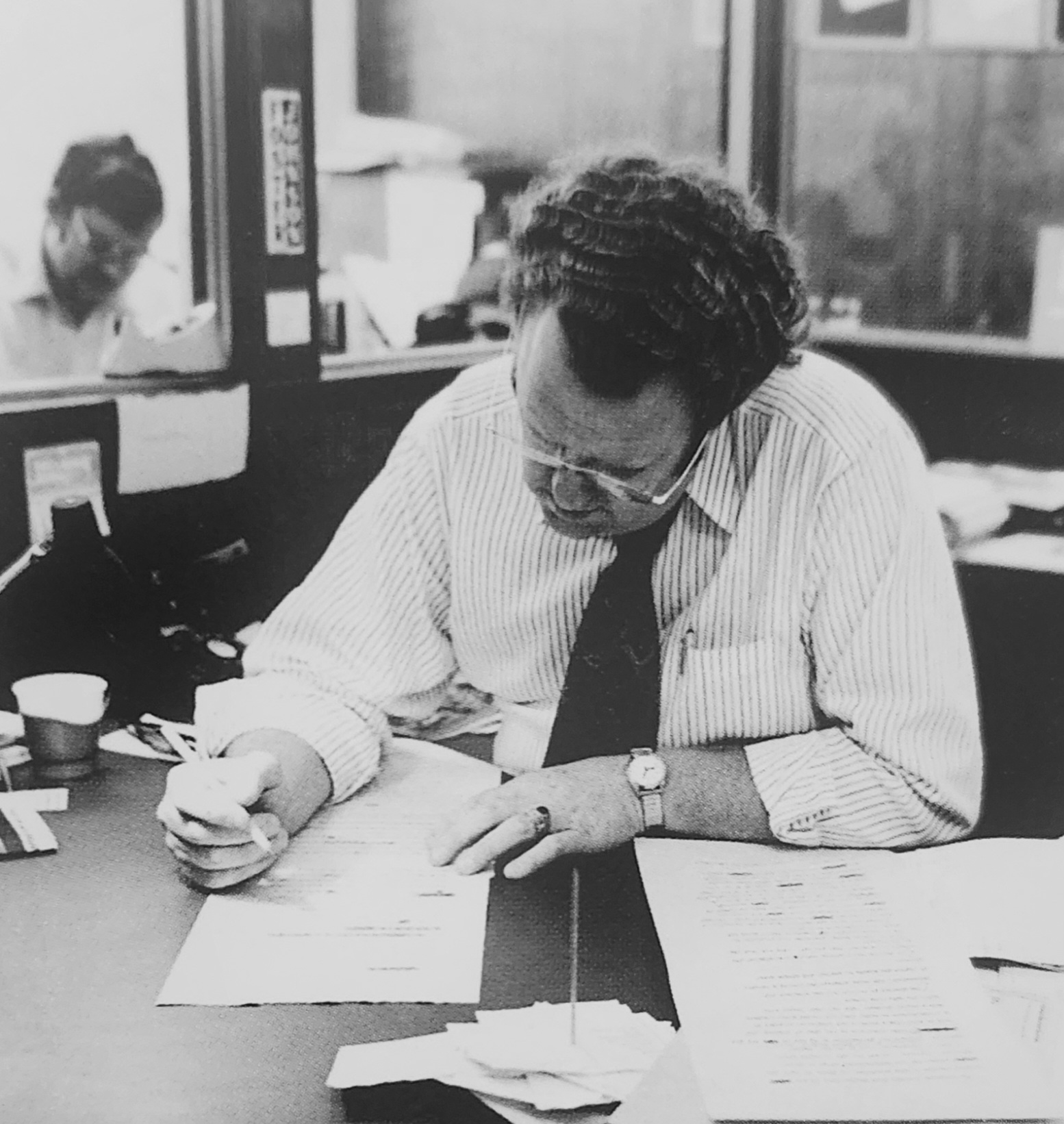
    I was born and raised in Conway, and I’ve always had strong ties to the Central Arkansas community. Storytelling and a love of Arkansas run deep in my family. My late grandfather, Joe D. Ward, published multiple books about Arkansas, blending writing with old family photos. My Great Uncle Bill Ward is a longtime photographer who has also written books about Arkansas, capturing its beauty and history through both words and images. He also worked for The Log Cabin paper as their photographer. My other Great Uncle John Ward served as editor of the Log Cabin Democrat for many years. With roots like these, I suppose it’s no surprise that I’ve found myself inspired to share my own version of Arkansas – through my lens, my words, and my experiences.

    Along the way, I’ll be sprinkling in bits of history. Every creek, trail, and town in this state has its own story, and I love uncovering those details. Maybe it’s a local legend, maybe it’s a piece of state history that doesn’t always make the books. I want to share those moments here. Not as a lecture, but like sitting together and swapping stories.

    So this is the start. No pressure, no perfect plan. Just me, my camera, and the roads I travel. I hope you’ll come along as I say hello to Arkansas, one stop at a time.

    -Kelsey