A Park That Holds More Than Scenery
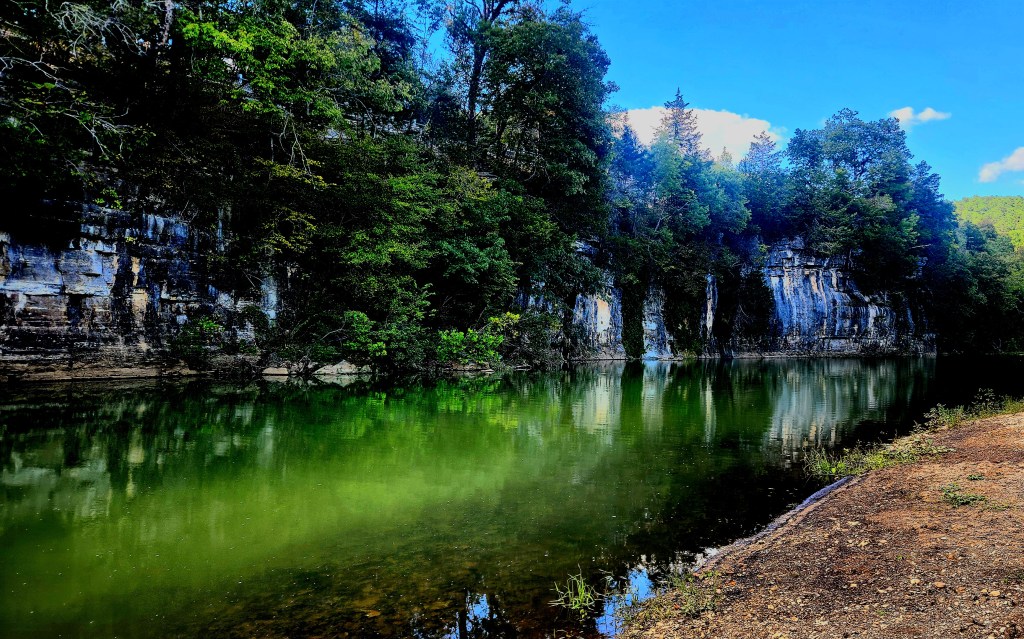
There is a certain kind of magic in the way family history and natural beauty blend together in Arkansas. Bradley Park is not just another stop along the Buffalo River. It is a place that carries stories in its soil, memories tucked between the trees, and echoes of the people who once called it home.
Walking through the park, I could not help but think about how names tie us to the land. The Bradley name runs through my own family tree, and standing there felt less like visiting a landmark and more like brushing shoulders with the past. You can almost feel the generations who worked, loved, and lived in these hills.
The Bradley House Museum
One of the most meaningful parts of my visit was stepping into the Bradley House Museum, once the home and practice of Dr. W. A. Bradley. He served Jasper and rural Newton County for forty-six years, later practicing in Harrison before retiring.
The downstairs of the museum still feels like his office, with old microscopes, a dentist’s chair and medical tools that remind you how medicine looked more than a century ago. Upstairs, rooms are set to show pioneer life: a schoolroom with desks, hero room, taxidermy animals, and displays that celebrate small businesses that once sustained the community.
On the museum grounds sis the Chaney Log Cabin, brought from Osage, Arkansas. It dates back to the mid-1800s and is believed to have served as both a post office and a stage stop. Some believe it may even have connections to the Trail of Tears.
Walking Through Jasper’s Historic Downtown
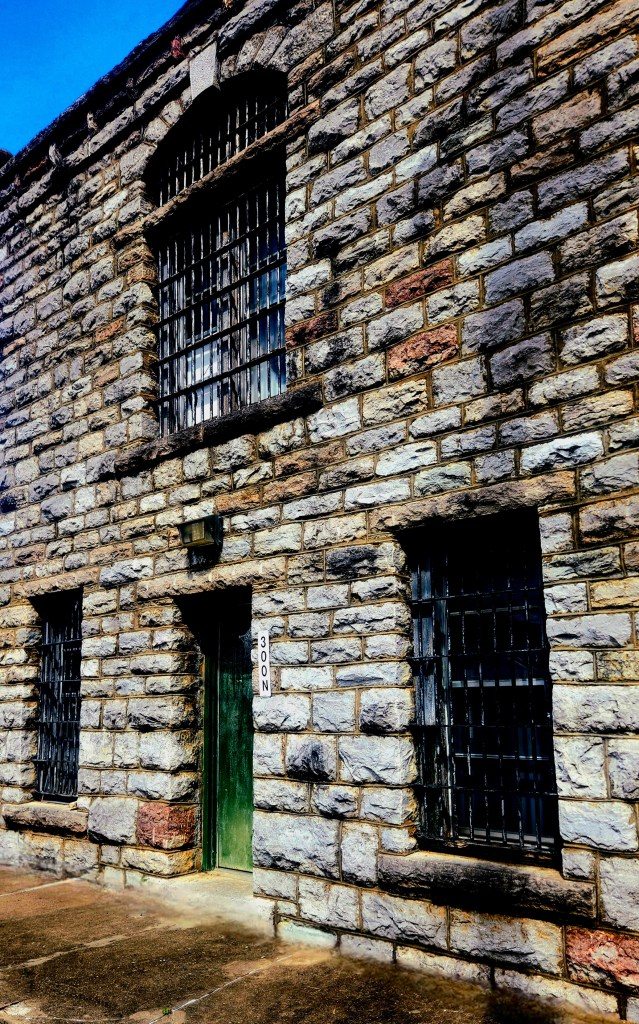
Before visiting Bradley Park and the museum, I walked through downtown Jasper. The square is a gem, full of character with stone buildings, murals, and the hum of local life.
The Jasper Commercial Historic District includes buildings from the 1880s through the 1940s, many crafter from the local stone by master mason Gould Jones. At the heart of the square is the Newton County Courthouse, built in 1939 with Works Progress Administration funding, a simple but elegant example of Art Deco architecture. Both the courthouse and the downtown district are listed on the National Register of Historic Places.
Jasper itself has deep roots. It was established along the Little Buffalo River by 1840 and became the county seat in 1843. The town’s name has several legends attached. Some say it was inspired by a Jasper stone given to the postmaster, others claim Cherokee travelers suggested it, while another story points to the mellow hues of the local stone.
The River That Writes the Story
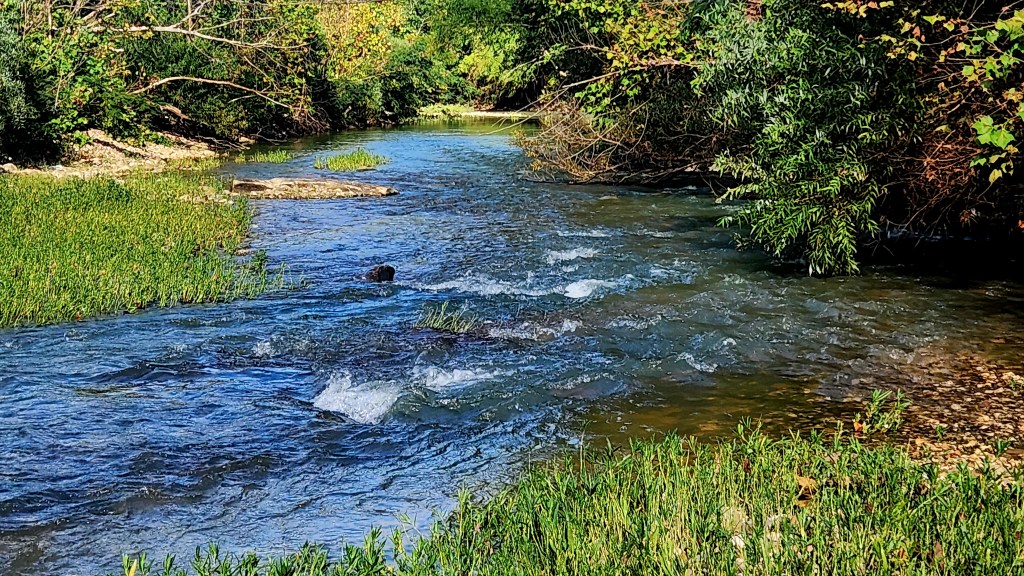
The Buffalo River has always been about more than scenery. It begins in the Boston Mountains, carving out bluffs and valleys for 148 miles before joining the White River. Unlike so many rivers in America, the Buffalo has never been dammed. In 1972 it became the first National River in the United States, a victory that protected its wild flow for future generations.
That stretch of history is complicated, too. The campaign for federal protection sparked tension, as landowners resisted government buyouts and the presence of the Park Service. But the result preserved one of the last un-dammed rivers of its size, keeping its waters free for those who hike, float, fish, and call it home.
Roots, Names, and Connection
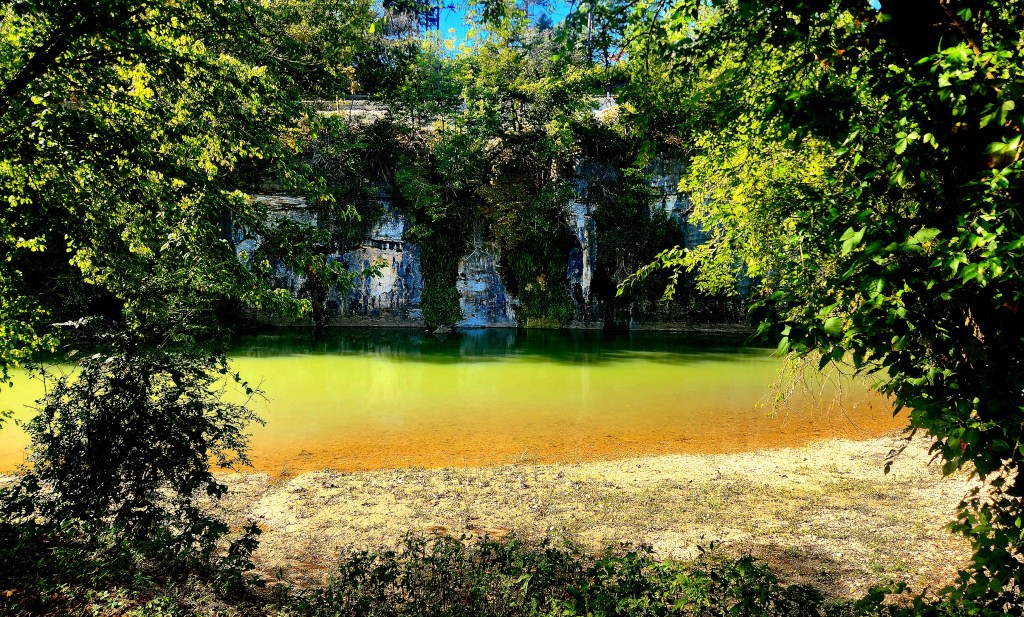
Bradley Park was named in honor of Dr. Bradley, and its dedication in 1991 drew more than three hundred people who shared memories of his service to the community. Stories of him delivering babies, tending to the sick, and showing up for neighbors filled the air that day, and the park became a living memory of both a man and a place.
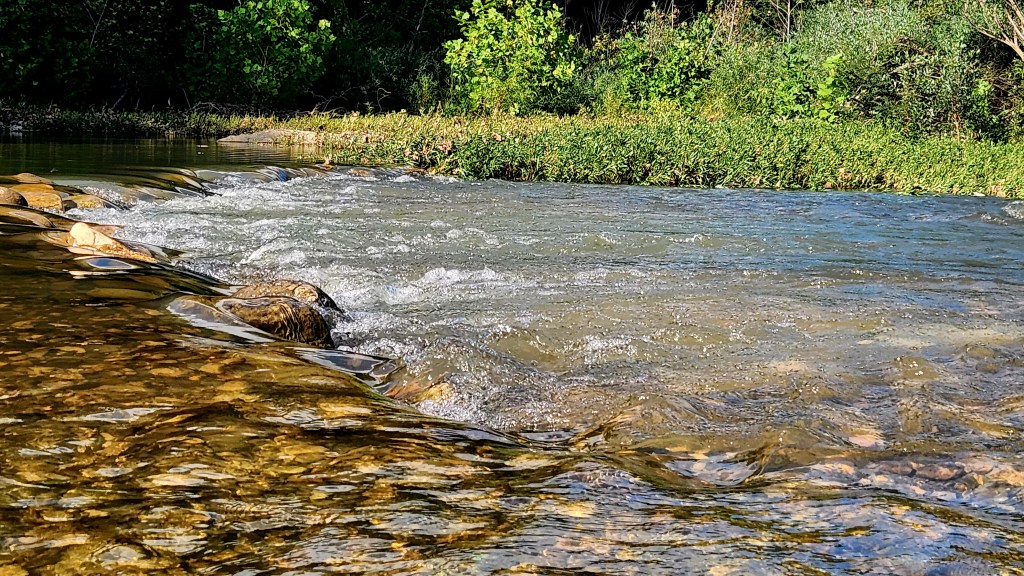
When I stood by the Little Buffalo at Bradley Park, wandered the museum halls, and paused in front of the courthouse downtown, I felt something I cannot quite name. It was more than sightseeing. It was the recognition of how places accumulate memory, how names hold weight, and how water carries stories.
The Buffalo has always been about more than beauty. It is about connection. To water, to wilderness, to family. At Bradley Park, and in Jasper itself, those connections seem to run deeper than the stone foundations beneath the town square. Whether you go for a quiet hike, a visit to the museum, or a lazy stroll downtown, you become part of the story the river keeps writing.
-Kelsey
 Hello Arkansas!
Leave a comment